
Canggu has been on the digital nomad radar for a decade. The question that comes up increasingly in 2025 is: has it become too popular? Too expensive? Too chaotic?
Short answer: it depends entirely on where you’re based within Canggu, and how you structure your work day.
Here’s the honest picture.
What Has Changed Since 2022
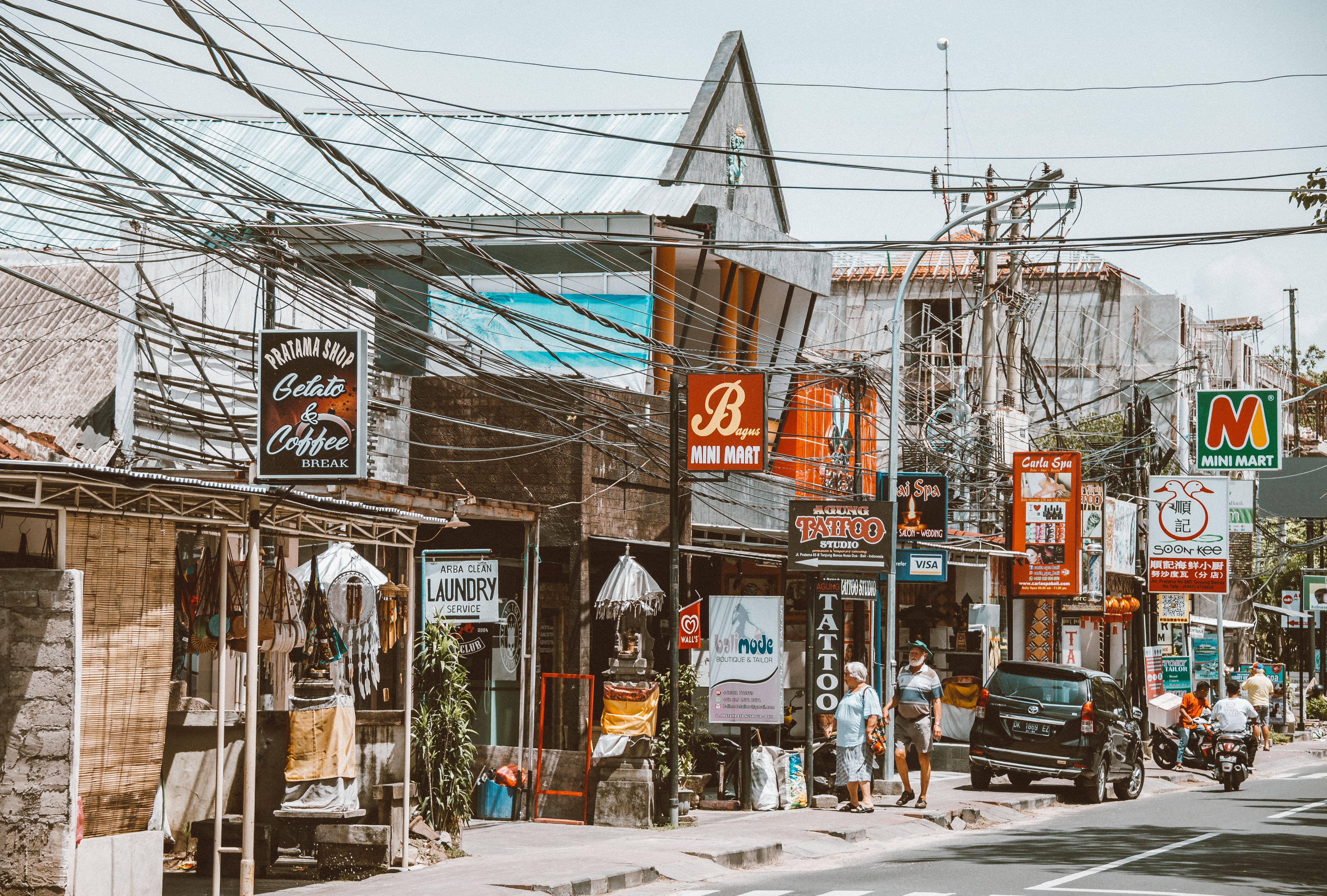
Canggu is busier. There’s no point pretending otherwise. The post-pandemic return of travel, combined with Indonesia’s introduction of a dedicated Digital Nomad Visa in 2023, has brought significantly more remote workers to the area.
What’s gotten better:
- Internet infrastructure has improved dramatically — fiber is now widely available
- The co-working scene has matured and become more professional
- More accommodation options at various price points
- Better coffee, predictably
What’s gotten harder:
- Traffic during peak hours (09:00–11:00 and 17:00–19:00) on Jl. Raya Canggu is genuinely bad
- Accommodation prices have increased 20–35% compared to pre-2022
- Popular cafés are noisier and more crowded midday
- Scooter rental prices have gone up
The WiFi Reality
The “Bali has bad internet” narrative is outdated for Canggu specifically. The majority of cafés, co-working spaces, and well-managed guest houses on Jl. Batu Bolong now have dedicated fiber connections.
What to expect in 2025:
- Modern co-working spaces: 50–200 Mbps, reliable
- Better cafés: 30–80 Mbps, occasional drops during peak hours
- Budget guesthouses: variable and often unreliable
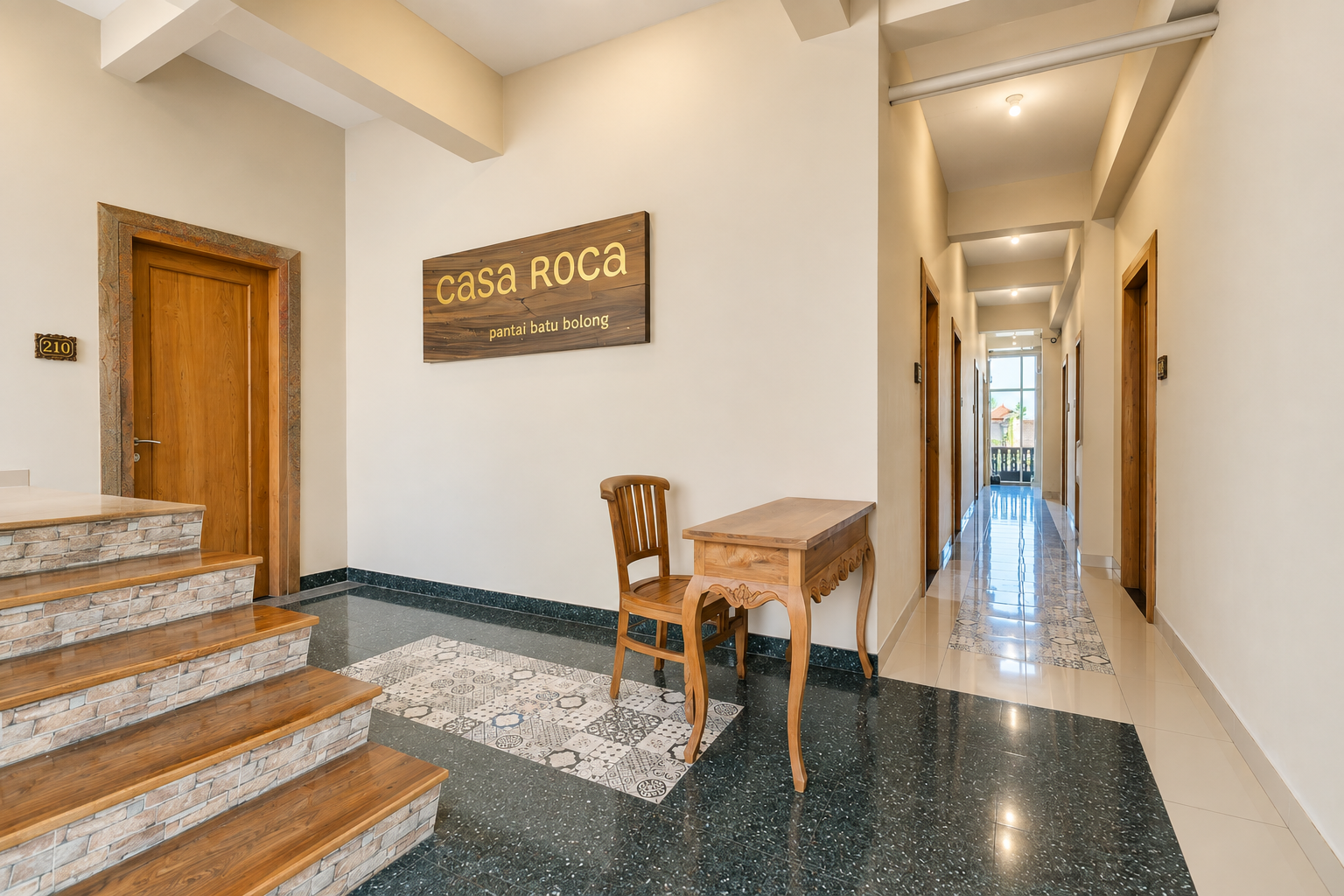
- Quality boutique guest houses (like Casa Roca): dedicated fiber, 50+ Mbps, private connection
Practical tip: Always ask for the actual download speed, not just “fast WiFi.” The threshold for comfortable video calls and file uploads is around 25 Mbps download / 10 Mbps upload.
Co-Working Spaces Near Batu Bolong
Dojo Bali (3km, 10 min scooter)
The OG Canggu co-working space. Still one of the best setups — dedicated desks, reliable 100+ Mbps fiber, a pool, regular community events. Monthly membership around IDR 2,000,000.
Outpost (2km, 7 min scooter)
More boutique co-working experience with a focus on the community side. Hot desks and private offices. Good for those who want structured networking.
Lawn Surf Club Day Pass
The Lawn operates a surprisingly good day-pass work setup on weekdays — comfortable seating, reliable WiFi, poolside working option. IDR 150,000 day pass includes a drink credit.
The Café-Office Hybrid on Jl. Batu Bolong
For short sessions (2–4 hours), Crate Café and Motion Café both have reliable WiFi and tolerate laptop workers. Don’t overstay peak hours — morning sessions only.
The Visa Situation in 2025
Indonesia’s E33 Digital Nomad Visa (officially “Second Home Visa for Remote Workers”) allows stays of up to five years with proof of remote employment and minimum income requirements (USD 2,000/month).
For shorter stays, most digital nomads use:
- Tourist Visa on Arrival (30 days, extendable once to 60 days): The simplest option for trial runs
- Social/Cultural Visa (60 days, extendable to 180 days): Requires a sponsor, but widely used
- Business Visa (60 days): For those with business meetings or clients in Indonesia
Important: Indonesia’s immigration policies have been evolving. Always check the most current requirements from the Indonesian embassy or a reputable visa agency. Do not rely on blog posts (including this one) for current visa requirements.
Structuring a Work Day from Batu Bolong
The most productive pattern we see from long-stay guests at Casa Roca:
06:30 — Surf or beach walk before the heat The hour before 08:00 is the best Canggu has to offer — light wind, uncrowded waves, the street still quiet. If you surf, this is your session. If you don’t, a walk to the beach and back is a genuinely excellent way to start a remote work day.
08:30 — Work from your room or a quiet café Early morning at Motion Café or in your own room with the balcony door open. This is the most productive time — before the heat builds, before the café crowd, before your international colleagues start messaging.
12:30 — Lunch and break The Nasi Campur warung 300m away will feed you properly for IDR 20,000. Or walk to one of the cafés. The afternoon is when Canggu gets hot and crowded anyway.
14:00–17:00 — Afternoon work block Back in your room. AC on, blinds half-closed, solid WiFi. This is when most of the productive deep work happens.
17:00 — Sunset, then dinner You’re 200 meters from one of the best sunset views in Canggu. Closing the laptop for the last two hours of daylight is one of the actual benefits of being here.
Is Canggu Still Worth It?
Yes — with caveats.
If you’re comparing Canggu to Chiang Mai or Tbilisi on a pure cost-per-productive-hour basis, Canggu doesn’t win anymore. The price gap has closed significantly.
What Canggu still has that most alternatives don’t: the combination of surf, walkable food scene, community, climate, and genuine natural beauty within a five-minute walk. If those things matter to you, the premium is worth paying.
If you primarily need cheap rent and fast WiFi, there are better options in Southeast Asia.
If you want to surf before work, eat well, meet interesting people, and feel like you’re in a place rather than just in a city — Batu Bolong in 2025 still delivers.
Casa Roca has dedicated fiber internet (50+ Mbps), a quiet private room to work from, and a beach two minutes away. Check long-stay rates here.